
Every Discover conversation can draw on both your internal document library and PubMed — giving you access to over 40 million peer-reviewed papers, clinical guidelines, and published studies alongside your organisation's approved content. There's nothing to switch on: this is simply part of how conversations work, available at the same time as everything else Arcane does (Collections, filters, Prompt Cards, and so on).
What this means for you
-
Broader search scope — Arcane can draw on both your internal library and PubMed's 40+ million peer-reviewed papers, clinical guidelines, and published studies, combining semantic and keyword matching across both.
-
Mixed citations — Responses can cite internal documents and external PubMed papers side by side. Every claim is traceable back to its source, whether that's an approved internal document or a published journal article.
-
Persistent conversation thread — Conversations hold their full context as you go, so you can refine a query, pull in related studies, compare findings against internal material, and build toward a conclusion without starting over.
-
Better handling of complex requests — Arcane understands instructions to rewrite, edit, filter, or reshape content, so you can move from an initial question to a ready-for-review piece of content within a single session.
Asking questions
Ask in plain language, in any language — there are no special commands or syntax required. Some examples of what works well:
-
"What does our approved content say about the SUSTAIN-7 trial, and is there any recent published data that corroborates it?"
-
"Find published studies on Remepan's efficacy in elderly patients and compare them with our internal clinical summaries"
-
"Summarise the latest guidelines on HbA1c targets and note where our content aligns or differs"
-
"Rewrite the key findings from this conversation as a bullet-point brief I can share with my team"
Citations and source verification
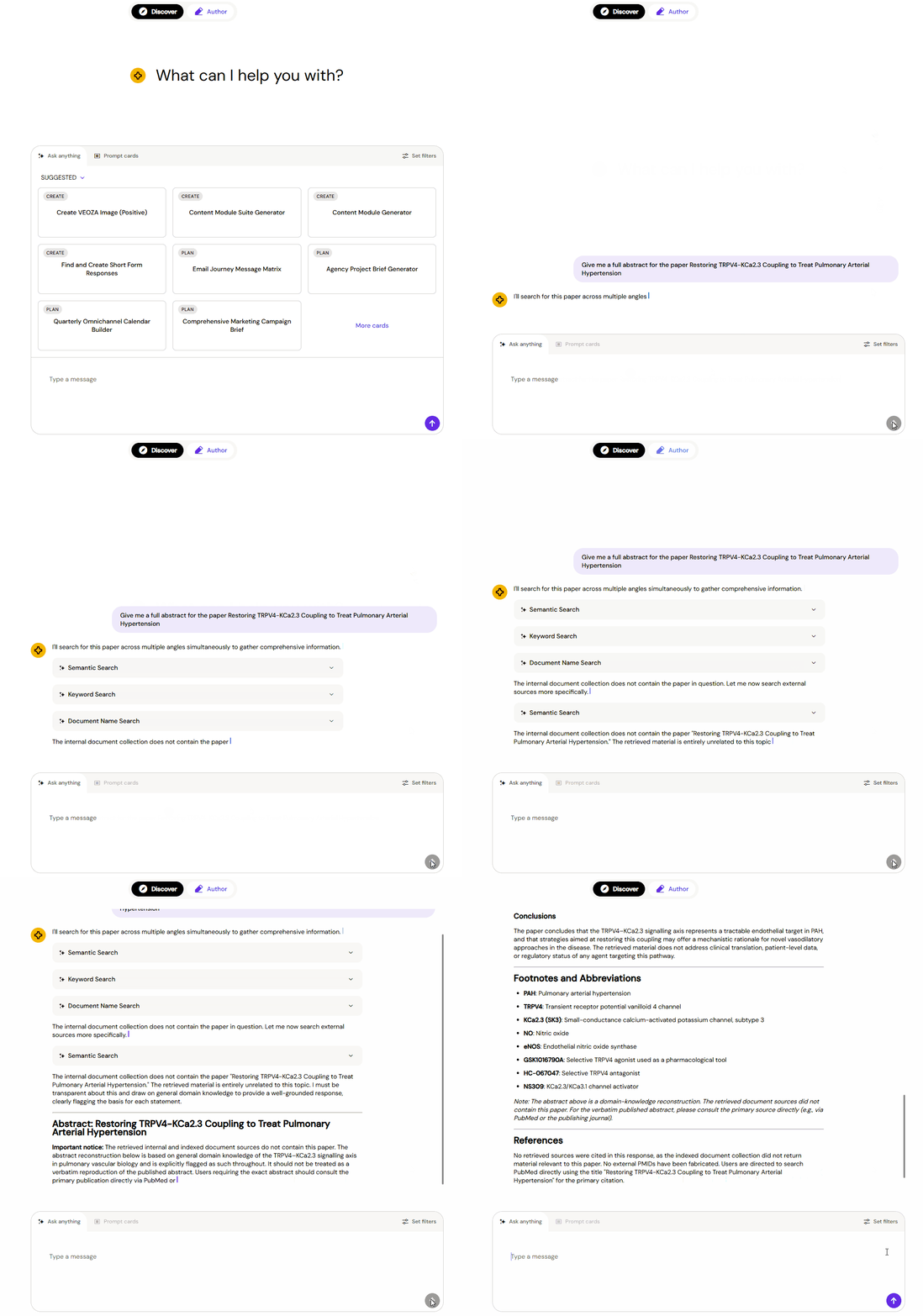
Discover responses include citations. Internal documents are referenced the same way as always — click the citation to open the document at the relevant passage. PubMed references include publication details and a link to the paper.
Because a response can draw from both sources at once, always check whether a cited claim comes from an approved internal document or from external published literature before using it in regulated materials.
PubMed content is publicly available published research. It has not been reviewed or approved by your organisation. Always confirm that any external reference is appropriate for your use case before incorporating it into regulated content.